
Benefits of Durable Wooden Cutting Boards: Why Walnut and Maple Stand Out
- Derald Smith

- Feb 20
- 4 min read
When it comes to choosing the perfect cutting board for your kitchen, durability and style are key. I’ve spent a lot of time exploring different options, and I keep coming back to two classic favorites: walnut and maple. These hardwoods not only look stunning but also offer practical benefits that make cooking and food prep easier and more enjoyable. If you’re thinking about upgrading your kitchen tools or starting a home remodel project, a durable wooden cutting board made from walnut or maple might just be the perfect addition.
Why Choose Durable Wooden Cutting Boards?
Durable wooden cutting boards are more than just kitchen tools - they’re investments in your cooking experience and your home’s aesthetic. Unlike plastic or glass boards, wooden boards offer a natural surface that’s gentle on your knives, helping them stay sharp longer. Plus, wood has natural antimicrobial properties, which means it can be safer for food prep when properly cared for.
Here are some reasons why durable wooden cutting boards are a smart choice:
Longevity: High-quality hardwood boards can last for years, even decades, with proper maintenance.
Knife-friendly surface: Wood is softer than glass or stone, so it won’t dull your knives quickly.
Aesthetic appeal: Wooden boards add warmth and charm to your kitchen, especially those made from rich woods like walnut and maple.
Eco-friendly: Choosing sustainably sourced hardwood supports responsible forestry and reduces plastic waste.
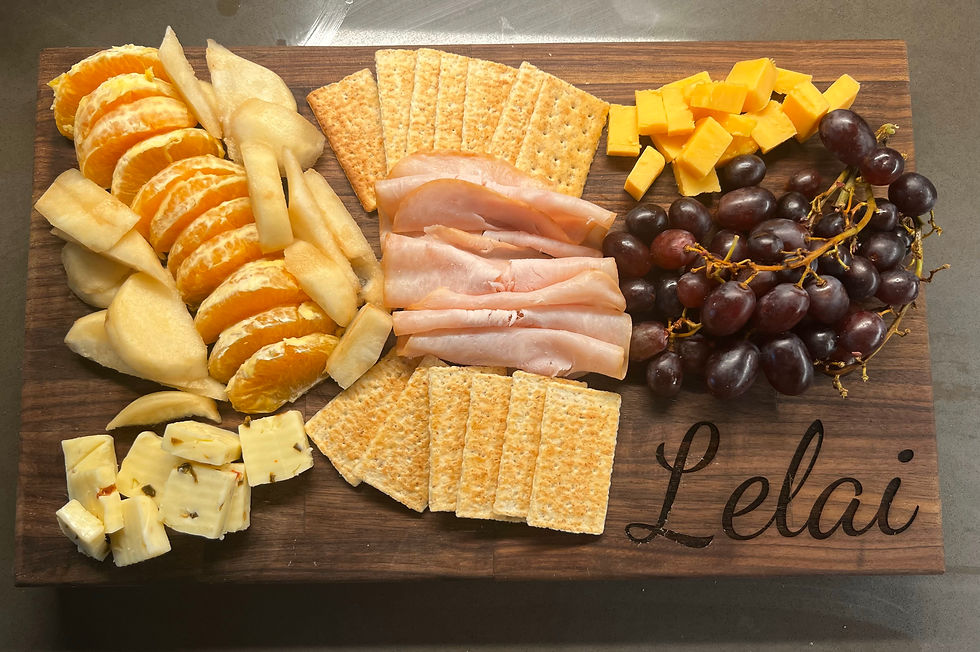
Versatility: They can double as serving platters for cheese, charcuterie, or appetizers.
If you’re remodeling your kitchen or simply want to upgrade your cooking tools, investing in a durable wooden cutting board is a practical and stylish choice.

The Unique Qualities of Walnut and Maple Cutting Boards
Both walnut and maple are popular choices for cutting boards, but they each bring something special to the table. Understanding their unique qualities can help you decide which one fits your kitchen style and cooking habits best.
Walnut Cutting Boards
Walnut is a rich, dark hardwood with a smooth texture and beautiful grain patterns. It’s prized for its elegance and durability. Walnut boards tend to be a bit softer than maple, which means they’re gentle on knives but still sturdy enough to handle heavy chopping.
Color and grain: Deep chocolate brown with subtle variations, adding a luxurious look.
Durability: Strong enough for everyday use but requires regular oiling to maintain its finish.
Maintenance: Needs conditioning with mineral oil or beeswax to prevent drying and cracking.
Best for: Those who want a stylish, warm-toned board that’s gentle on knives.
Maple Cutting Boards
Maple is a lighter hardwood with a fine, consistent grain. It’s one of the hardest domestic woods, making it incredibly durable and resistant to scratches and dents. Maple boards are often preferred by professional chefs for their toughness and ease of maintenance.
Color and grain: Light cream to pale yellow with a smooth, uniform grain.
Durability: Very hard and resilient, ideal for heavy chopping and cutting.
Maintenance: Also benefits from regular oiling but generally less prone to damage.
Best for: Those who want a bright, clean look and a board that can take a beating.
Both woods are excellent choices, and many people love combining the two in their kitchen for a mix of light and dark tones.
Is Walnut Good for a Cutting Board?
Absolutely! Walnut is an excellent choice for a cutting board, especially if you appreciate a balance between beauty and function. Its natural oils help resist moisture, which is important for preventing warping and cracking. Walnut’s slightly softer surface means your knives will stay sharper longer compared to harder woods.
One thing to keep in mind is that walnut cutting boards require a bit more care. Regular oiling is essential to keep the wood hydrated and looking its best. But with a little attention, a walnut board can last for many years and become a cherished kitchen staple.
If you’re looking for a cutting board that combines elegance with practicality, walnut is a fantastic option.
How to Care for Your Walnut and Maple Cutting Board
Taking care of your wooden cutting board is easier than you might think, and it makes a huge difference in how long it lasts. Here are some simple tips to keep your walnut or maple board in top shape:
Clean promptly: After each use, wash your board with warm, soapy water. Avoid soaking it or putting it in the dishwasher.
Dry thoroughly: Wipe the board dry immediately and let it air dry standing up to prevent moisture buildup.
Oil regularly: Apply food-grade mineral oil or a specialized cutting board oil once a month or whenever the wood looks dry.
Avoid harsh chemicals: Skip bleach or strong detergents that can damage the wood.
Use both sides: Rotate your board to prevent uneven wear.
Sanitize naturally: Occasionally rub the surface with half a lemon and coarse salt to deodorize and disinfect.
By following these steps, your cutting board will stay beautiful and functional for years to come.
Why I Recommend a Walnut and Maple Cutting Board
If you want the best of both worlds, consider a walnut and maple cutting board. These boards combine the rich, dark beauty of walnut with the bright, durable qualities of maple. The contrast in colors creates a stunning visual effect that can elevate your kitchen’s look instantly.
Plus, these mixed-wood boards are often crafted with care, ensuring durability and a smooth cutting surface. They’re perfect for anyone who values both style and function in their kitchen tools.
Whether you’re chopping vegetables, slicing bread, or serving appetizers, a walnut and maple cutting board offers versatility and charm that few other boards can match.
Choosing the right cutting board is a small but meaningful step in creating a kitchen you love. Walnut and maple cutting boards bring warmth, durability, and timeless beauty to your cooking space. With proper care, they’ll serve you well for years, making meal prep a joy rather than a chore. So why not treat yourself to a cutting board that’s as hardworking and stylish as you are? Your kitchen deserves it!


Comments